
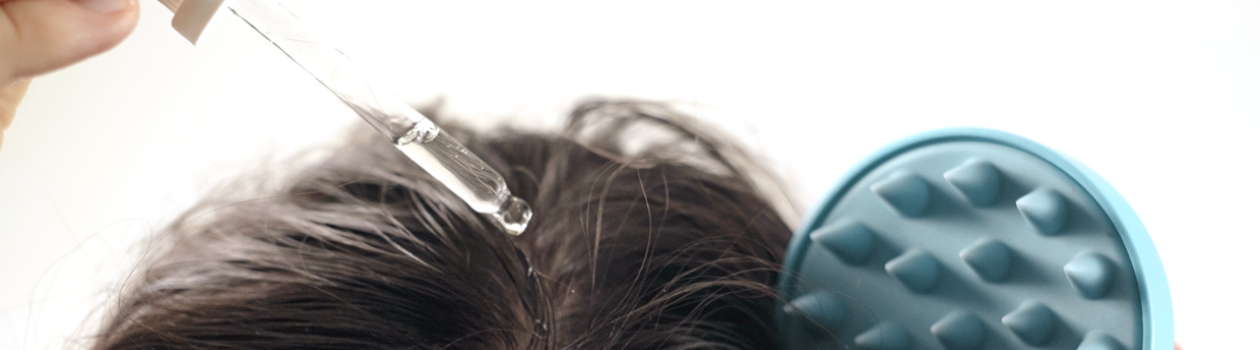
On average, we lose 50 to 100 hairs per day, which is normal given their natural life cycle. Learn more about the factors at play when hair loss becomes more pronounced and discover natural solutions to preserve the density and health of our hair.
Differentiating Between Reactive and Chronic Hair Loss
Hair loss can have two main origins: reactive or chronic. Reactive hair loss appears temporarily after stress or illness, but hair grows back naturally within a few months. Chronic hair loss, on the other hand, sets in gradually and lasts over time. It is often linked to heredity, hormones or certain health problems. In this case, a targeted follow-up is necessary to slow down the loss and protect hair density.
It should be noted that the changes of seasons can cause temporary hair loss as well as:
- An emotional shock
- Accumulated fatigue
- Childbirth (related to hormonal changes)
- Surgery
- An imbalance or abrupt change in diet
Hair Care and Habits
- Scalp Washing It is best to use mild shampoos that are free of sulfates and silicones. Spacing out washes, two or three washes per week, helps to preserve the balance of the scalp and limit irritation. After shampooing, use a microfibre towel, which is softer and lighter, to avoid weakening the hair fibre.
- Scalp Massage It stimulates blood microcirculation and promotes the supply of oxygen, vitamins and minerals to the hair follicles (the area of the dermis where hair is born). By improving this irrigation, the hair bulb (the root of the hair) is strengthened, hair loss is limited and the regrowth of more resistant hair is encouraged. This 3-5 minute massage is easy to integrate when shampooing and provides an immediate relaxing effect.
- Hair Styling Devices and Accessories
Without being a direct cause of hair loss, the heat of blow dryers, curling irons and other styling tools weakens the hair fibre. It dries out the hair and can damage the cuticle (the outer lining of the hair), making it more brittle. Ideally, you should limit their use or set the drying to the “cold air” function.
Also be careful with hairstyles that are too tight, such as braids, buns and ponytails that exert repeated traction on the roots. Over time, this tension can weaken the hair follicle and promote a form of hair loss called traction alopecia. To preserve the health of the hair, it is better to alternate styles and favour soft ties that do not compress the scalp.
Nutrition and Hydration
Keratin is a fibrous protein that makes up the main structure of hair (more than 90%). To promote its production, it is important to focus on proteins (eggs, fish, legumes, etc.).
Iron and zinc, which are found in legumes, pumpkin seeds and spinach, among others, also support growth and slow down hair loss, while essential fatty acids (omega-3) from salmon, flax or chia contribute to its suppleness and shine.
Finally, good hydration is just as important: a dry scalp can slow down growth and weaken the roots.
Useful Extras
Several supplements can help strengthen hair and limit hair loss: biotin (B8), vitamin D and silica support hair growth, while brewer’s yeast, rich in B vitamins, strengthens the hair fibre by promoting keratin synthesis. Omega-3 supplements can contribute to the maintenance of a healthy scalp.
Vegetable Oils
Thanks to its richness in essential fatty acids—including ricinoleic acid—castor oil nourishes hair follicles, strengthens hair and promotes healthy growth. It is often mixed with lighter oils to make it easier to apply. Jojoba oil and coconut oil, on the other hand, nourish, protect and strengthen the hair, thus limiting its breakage. Used regularly, they are a natural asset against hair loss.
Suggested application frequency for vegetable oils (mixed or not) with essential oils:
- Dry, frizzy or damaged hair: 1 or 2 times a week
- Normal hair: 1 time a week or every 2 weeks
- Fine or oily hair: every 2 weeks
Leave the oils on for 30 minutes to 2 hours and then wash the hair.
Essential Oils
Often used against hair loss, essential oils provide active ingredients that purify the scalp, regulate sebum and strengthen the hair fibre. However, they should be diluted in a vegetable oil and tested on a small area of skin to avoid any allergic reactions. Some are contraindicated, especially for pregnant or breastfeeding women, and it is advisable to seek the advice of a health professional before using them.
Essential oils recognized for their benefits on hair include:
- Atlas cedar
- Rosemary
- Ginger
- Grapefruit
- Clary sage
To learn more about essential oils and aromatherapy, check out our article: https://www.rachellebery.ca/en/articles/take-care-of-the-body-and-mind-with-aromatherapy/